Affiliate Disclosure: This post contains affiliate links. If you sign up through them, CoinCodeCap may earn a commission at no extra cost to you. Read the full disclosure.
Crypto cards started as a simple idea. Convert digital assets into something you can spend at a store. Over time the space evolved into something more strategic.
Today crypto cards are not just payment tools. They are user acquisition engines for exchanges, loyalty programs tied to ecosystem tokens, and gateways between centralized trading platforms and everyday spending.
Two of the biggest players pushing this model are Bybit and Crypto.com.
Both companies operate large global exchanges. Both have millions of users. Both built payment cards to extend their platforms beyond trading.

But their strategies are very different.
Crypto.com built one of the earliest and most recognizable crypto card ecosystems with tiered rewards, metal cards, and CRO token staking. Bybit is newer to the card market, but it is pushing aggressive cashback rewards and a simpler fee structure.
If you are deciding between them, the real comparison is not just cashback percentages. It is the entire ecosystem that sits behind the card.
Let’s break it down.
Comparison Table
| Overview | Crypto.com Visa Card | Bybit Crypto Card |
| Type | Prepaid | Debit |
| Network | Visa | Mastercard |
| Custody | Custodial | Custodial |
| Cashback | Up to 8% | Up to 10% |
| Annual Fee | Staking required for higher tiers | Free |
| FX Fee | ATM withdrawal fees, interbank exchange rates, top up fees and other charges may apply depending on jurisdiction and card tier | 0.5% |
| Staking | Yes ($500 to $1,000,000 CRO depending on tier) | None |
| ATM | $200 to $1,000 per month free depending on tier | $100 per month free |
| Mobile Pay | Yes | Yes |
| Assets | Fiat / CRO | 8+ cryptocurrencies |
| Metal Card | Yes | No |
| Bonus | $25 CRO | 20 USDT |
| Regions | Global (US, EU, UK, CA, APAC) | EEA, LATAM |
| Read Review | Click here! | Click here! |
What Matters in This Comparison
Choosing between crypto exchange cards usually comes down to understanding how deeply you want to integrate into a platform’s ecosystem.
The first factor is custody and platform integration. Both Bybit and Crypto.com operate custodial systems. That means the funds used by the card sit within the exchange environment rather than a self custody wallet.
The second factor is reward structure. Crypto.com relies on tiered cashback linked to CRO token staking. Higher rewards require locking up larger amounts of CRO. Bybit uses a simpler cashback model with fewer barriers to entry.
Another key consideration is supported assets. Some cards require spending through fiat balances while others allow direct crypto conversion at the moment of purchase.
There is also the issue of fees and accessibility. Foreign exchange fees, ATM limits, and card availability can influence how practical a card becomes for everyday spending.
Finally, there is the ecosystem advantage. Crypto.com offers deep integration across staking, rewards programs, and services within its app. Bybit leverages its exchange infrastructure and trading ecosystem.
Understanding how these layers interact helps determine which card makes more sense for your workflow.
Crypto.com Visa Card
Crypto.com Visa Card is one of the most established crypto payment cards in the industry. It operates as a prepaid card connected to the Crypto.com ecosystem and allows users to spend fiat balances or crypto converted within the platform.
The card is tightly integrated with the CRO token economy. Rewards, tier levels, and benefits scale depending on how much CRO a user stakes within the platform.
This model transforms the card into more than just a payment method. It becomes a central piece of the Crypto.com loyalty and rewards system.
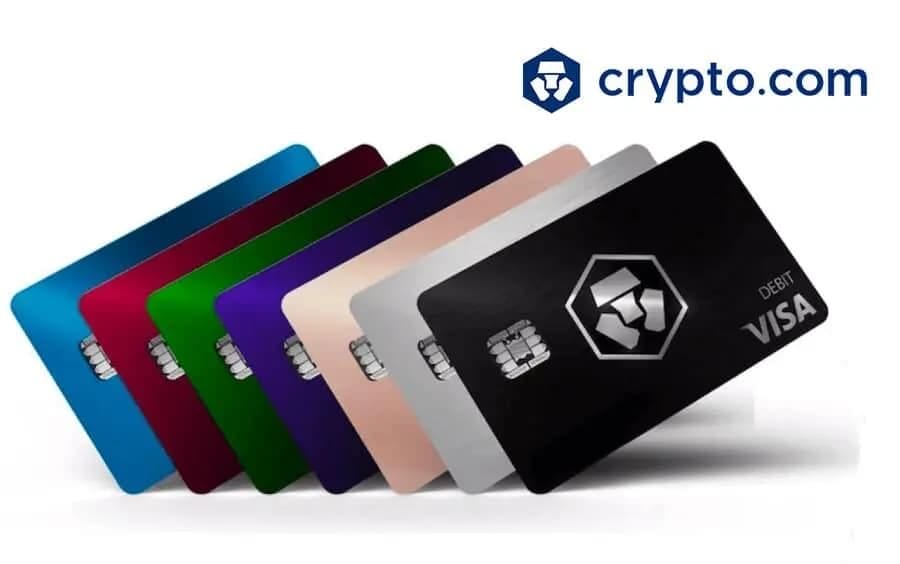
USP – The biggest strength of Crypto.com Visa Card is its tiered rewards ecosystem tied to CRO staking.
Users who commit to the platform by locking CRO tokens can unlock progressively higher cashback rates, premium metal cards, and additional benefits inside the Crypto.com app.
Key Features
• Visa prepaid card infrastructure
• Cashback up to 8 percent depending on tier
• CRO token based rewards system
• Tier based benefits unlocked through staking
• Global availability across multiple regions
• Mobile wallet compatibility
Pros and Cons
Pros
• Well established card ecosystem
• Potentially high cashback rewards
• Global coverage across many markets
• Premium metal card tiers available
Cons
• Requires CRO staking for best rewards
• Prepaid structure requires account funding
• Rewards tied heavily to CRO token performance
Use Cases
• Crypto.com ecosystem users
• Long term CRO holders
• Users who want high tier rewards programs
• Individuals comfortable with staking tokens for benefits
Conclusion – Crypto.com Visa Card remains one of the most feature rich crypto card ecosystems available. If you are already using the Crypto.com platform and willing to stake CRO, the rewards structure can be very attractive.
Bybit Crypto Card
Bybit Crypto Card represents the exchange’s push into everyday payments. Instead of building a complex staking driven ecosystem, Bybit focuses on simplicity and aggressive cashback incentives.
The card operates as a debit card connected to the Bybit exchange environment and supports multiple cryptocurrencies for spending.
Compared with Crypto.com, the Bybit approach removes many of the barriers associated with staking requirements and complicated reward tiers.

USP – The standout advantage of Bybit Crypto Card is its simple cashback structure with no mandatory staking requirements.
Users can earn rewards while spending without locking platform tokens or navigating multiple tier systems.
Key Features
• Mastercard debit card
• Cashback rewards up to 10 percent in selected promotions
• Support for multiple cryptocurrencies
• Exchange account integration
• Free annual card
• Mobile payment compatibility
Pros and Cons
Pros
• No staking requirements
• Competitive cashback promotions
• Integrated with Bybit exchange account
• Straightforward reward structure
Cons
• Regional availability limited compared to some competitors
• Lower ATM withdrawal allowances
• Rewards may depend on promotional campaigns
Use Cases
• Active Bybit traders
• Users who want cashback without staking tokens
• Crypto users looking for simple exchange integrated spending
• Individuals exploring crypto cards without large commitments
Conclusion – Bybit Crypto Card focuses on accessibility and straightforward rewards. For users who already trade on Bybit, it offers a simple way to convert exchange balances into everyday spending.
Which Card Wins for Which User
The right card depends largely on how you interact with crypto exchanges.
Crypto.com Visa Card is best suited for users deeply invested in the Crypto.com ecosystem. If you are comfortable staking CRO and want access to tier based rewards, the platform offers one of the most comprehensive loyalty programs in the crypto space.
Bybit Crypto Card is better suited for users who want a simple spending card connected to an exchange account. It removes staking requirements and provides straightforward cashback incentives.
If you prefer ecosystem rewards and premium card tiers, Crypto.com wins.
If you prefer simplicity and no token lockups, Bybit becomes the stronger option.
Conclusion
Crypto cards tied to exchanges follow a familiar strategy. Turn trading platforms into financial hubs where users not only buy assets but also spend them.
Crypto.com built a deep rewards ecosystem powered by CRO staking and tiered benefits.
Bybit chose a simpler path focused on cashback and accessibility.
Both approaches work, but they appeal to different types of users.
If you want a loyalty system tied to a broader crypto platform, Crypto.com offers one of the most developed card programs in the industry.
If you want a direct path from exchange balance to real world spending without staking commitments, Bybit keeps the process much cleaner.
Either way the trend is clear. Exchanges are turning into financial ecosystems, and crypto cards are becoming one of the most visible entry points into that system.