Affiliate Disclosure: This post contains affiliate links. If you sign up through them, CoinCodeCap may earn a commission at no extra cost to you. Read the full disclosure.
Websea is a digital asset trading platform that positions itself as a Web3-oriented exchange and ecosystem designed for global youth. The main service is cryptocurrency trading, supported by additional features such as copy trading, asset earning, and Web3 tools. Websea’s official website showcases a modern UI emphasizing spot and futures trading, copy trading, multi-wallet support, and Web3 integration, making this Websea review a useful starting point for evaluating the platform.
What is Websea?
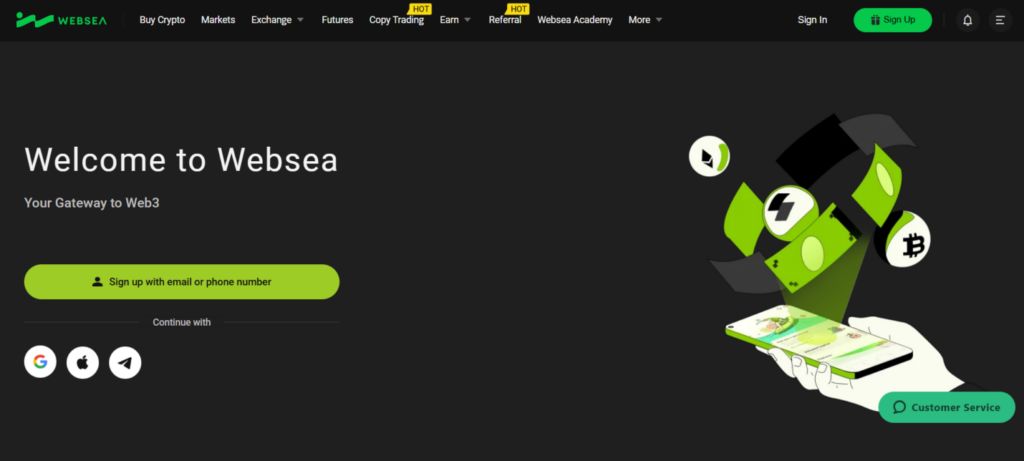
Websea is a Web3-focused cryptocurrency trading platform that offers a mix of spot trading, futures trading, P2P transactions, and copy trading within a single ecosystem. It is designed to serve both new and experienced users by combining traditional exchange features with Web3 elements such as wallet integration, earning programs, and community-driven tools.
Websea positions itself as a modern digital asset platform with an emphasis on accessibility, social trading, and multi-product functionality, aiming to simplify crypto participation while supporting more advanced trading use cases.
How Websea Works?
- Users register with email or phone and complete identity verification to access trading and features. Multi-factor authentication (2FA) can be enabled for security.
- Websea provides an integrated wallet for depositing, storing, and withdrawing supported cryptocurrencies. Users can connect external Web3 wallets for on-chain interactions.
- Users trade crypto assets in spot markets by placing buy/sell orders. Standard order types such as market and limit are supported.
- Advanced traders can open leveraged positions on selected futures markets. Users choose leverage levels, monitor funding rates, and manage risk via margin controls.
- Websea’s peer-to-peer (P2P) feature lets users trade directly with each other using supported fiat payment channels. Users post offers or accept existing ones at preferred prices and payment methods.
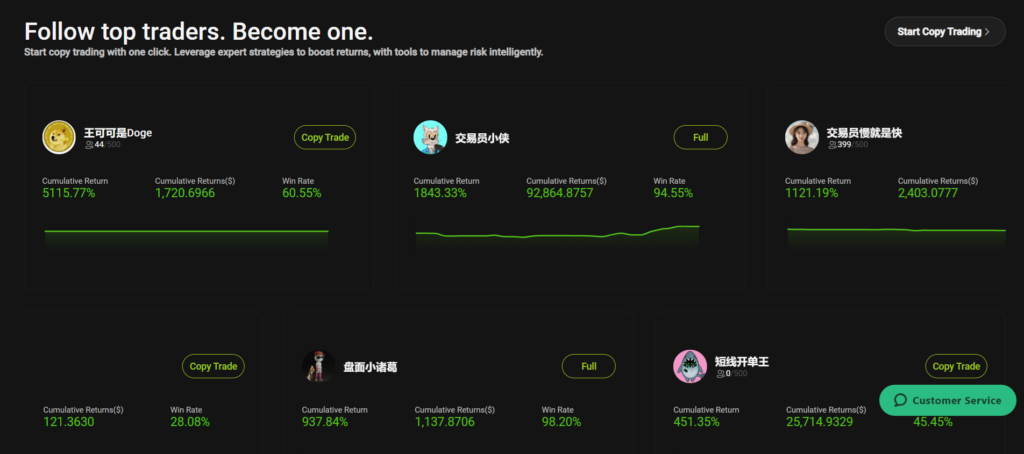
- Users can follow and automatically mirror the trades of selected experienced traders. Followers allocate capital that tracks the lead trader’s positions in real time.
- Websea offers yield-earning mechanisms such as staking or launchpool participation, where users lock assets and earn rewards. Native token (WBS) may be used for incentives and bonus programs.
- Integration with decentralized applications or wallets enables users to interact with Web3 protocols. Social or gamified elements encourage engagement and community activity.
Also, you may read Bitget: Meet the World’s Leading Digital Asset Trading Platform
Websea Review: Core Features and Offerings
- Spot and Futures Trading: Websea offers traditional spot trading for buying and selling cryptocurrencies at current market prices, as well as futures trading that allows users to speculate on price movements with leverage. Both are accessible via web and mobile interfaces.
- Copy Trading: The platform supports copy trading, enabling users to follow and automatically replicate trades of experienced market participants. This feature aims to lower the entry barrier for new traders by letting them adopt expert strategies while providing tools for risk control.
- Peer-to-Peer (P2P) Trading: Websea incorporates a P2P trading mechanism where users can directly trade assets with one another using multiple payment options. This enhances liquidity and flexibility within the ecosystem.
- Asset Management and Yield Programs: The platform offers Websea Earn, a suite of asset-management tools that let users earn passive income on idle assets through flexible subscription products with competitive yields.
- Dual-Security Framework: Websea emphasizes security using multi-factor authentication, intelligent risk control, and Web3 wallet support with offline storage options. It also employs end-to-end encryption and robust personal data protection.
- Flexible Trading Tools: The platform integrates real-time market data, detailed charts, and smart order features that support informed decision-making, catering to both novice and advanced traders.
- Mobile Access and Multi-Platform Support: Websea is accessible through web browsers and dedicated mobile applications for iOS and Android, offering full trading and earnings functionality on-the-go.
- Web3-Oriented Social and Gamification Elements: The ecosystem extends beyond trading to include social engagement and GameFi components, where users can interact, participate in events, and engage with community incentives tied to the native token ecosystem.
- Native Token (WBS) Integration: Websea’s ecosystem revolves around its native token, WBS, which supports platform rewards, incentives, promotions, and participation in community programs. The token plays a central role in user engagement across trading, social activities, and ecosystem growth.
- Global Service and Multi-Language Support: The platform supports multiple languages and serves users globally, aiming to lower barriers for international adoption of Web3 trading and financial engagement.
Websea Review: Security Measures
- Two-Factor Authentication (2FA) for account login to prevent unauthorized access.
- Multi-binding account protection supporting multiple verification methods/devices.
- Web3 wallet integration for secure on-chain asset management.
- Offline fund storage (cold storage) for the majority of user assets to reduce online risk.
- End-to-end encryption protecting user data and transaction details.
- Intelligent risk-control systems to detect and mitigate abnormal behavior or threats.
- Biometric security options (e.g., fingerprint/face ID) on mobile apps.
- Secure transaction records and privacy protections for sensitive information.
Also, you may read How to earn more from Polymarket?
Websea Review: Pricing and Fee Structure
| Fee Type | Websea Fee | Notes |
|---|---|---|
| Spot Trading Maker Fee | 0.20% (base) | Typical spot maker rate charged on trades; can vary with volume tiers |
| Spot Trading Taker Fee | 0.20% (base) | Standard taker fee; may decrease with higher volume tiers |
| Futures Trading Maker Fee | 0.035% (base) | Standard derivatives maker fee decreases with higher trading volume |
| Futures Trading Taker Fee | 0.06% (base) | Standard derivatives taker fee; decreases with higher volume |
| Deposit Fee (Crypto) | 0 | No fee for most crypto deposits reported |
| Withdrawal Fee | Variable (reported ~1% by some analyses) | Third-party data — specific withdrawal rates may vary by token and network |
| P2P Trading Fee | n/a | Websea does not currently support P2P trading per analysis |
| Fee Modification Policy | Yes | Websea reserves the right to set and modify fees at its discretion per official terms |
Conclusion
Websea represents an ambitious effort to merge decentralized asset ownership principles with the convenience and familiarity of a centralized trading platform. It targets a youthful demographic with features like intelligent copy trading, gamified engagement, and educational content that aim to make Web3 participation more intuitive and rewarding. While still growing in market presence and trust metrics, Websea’s holistic approach to digital asset interaction positions it as an intriguing entrant in the evolving landscape of Web3 exchanges.

Frequently Asked Questions (FAQs)
What is Websea?
Websea is a Web3-focused digital asset trading platform offering spot trading, futures, copy trading, and asset earning products within a hybrid Web2–Web3 ecosystem.
What trading products does Websea support?
Websea supports spot trading, futures contracts, and copy trading for selected crypto assets.
What is the WBS token used for?
WBS is Websea’s native ecosystem token used for rewards, incentives, and platform-related utilities.
What security features does Websea use?
Websea implements standard exchange security measures, including account protections and wallet separation for trading and Web3 assets.