Disclosure: CoinCodeCap may earn a commission if you sign up through links on this page. We tested every method below between January and May 2026. Influencer wallet copying carries real survivorship-bias and front-running risk — we explain both honestly below.
How I Ranked These: 10 wallet-discovery methods evaluated on four criteria — signal quality (real performers vs lottery winners), verifiability (can you confirm the wallet?), front-run resistance (already too public?), and ease of execution. Each method includes the realistic use case and the trap to watch for.
Copy trading from crypto influencers’ wallets sounds like a shortcut: find a successful trader’s address, mirror their trades, profit. In practice it’s a research workflow with real failure modes. Publicly-known influencer wallets get front-run constantly. Wallets shared on Twitter are often “performance” wallets while the actual money sits in unlabeled accounts. And survivorship bias means any wallet trending today might just be lucky.
This guide covers 10 ways to find influencer wallets, the four-criteria vetting framework that separates real performers from one-trade winners, and the warnings that don’t show up in most listicles.
⚡ TL;DR — Best Ways to Find Influencer Wallets in 2026

- Most reliable: Arkham Intelligence Visualizer + Nansen entity labels — find the wallet behind the persona, not the one the persona points at
- Easiest: Exchange copy-trading leaderboards (Binance, Bitget, eToro) — pre-vetted, regulated, no on-chain detective work
- Highest signal: Dune dashboards filtered for specific tokens or bots — community-built, less front-run
- Skip: Wallets disclosed publicly on Twitter — usually “show wallets,” widely-followed, any alpha is gone
- Vetting rule: 60+ days of history, 60%+ win rate across 30+ trades, healthy frequency, consistent activity — anything else is noise
What to Look For: 4 Criteria Before You Copy Any Wallet
Methods surface wallets. Filters separate real performers from lucky one-trade winners:
- 📊 ROI over time, not single-trade gains. Cumulative ROI of 100%+ across 60+ days, not a single 50x trade.
- 🎯 Win rate across 30+ trades. 60%+ win rates over 30+ closed positions to confirm a systematic edge.
- ⏱️ Reasonable trade frequency. 1–10 closed positions per day. 100+/day usually means a sniping bot. 0 in 30 days is stale.
- 🔄 Consistent activity, not bursts. Wallets that go dormant for months then reappear are red flags — could be insiders activated for specific launches.
💡 Expert Tip: The most overlooked metric is average loss vs average win. A wallet with 70% win rate but losses 4x larger than wins is destructive. Tools surface win rate but bury this ratio.
1. Analyze Blockchain Explorers
Blockchain explorers are indispensable for tracking wallet activity. Etherscan for Ethereum, BaseScan for Base, and Solscan for Solana let you investigate transaction history, token holdings, and contract interactions for any address you’ve found via another method.
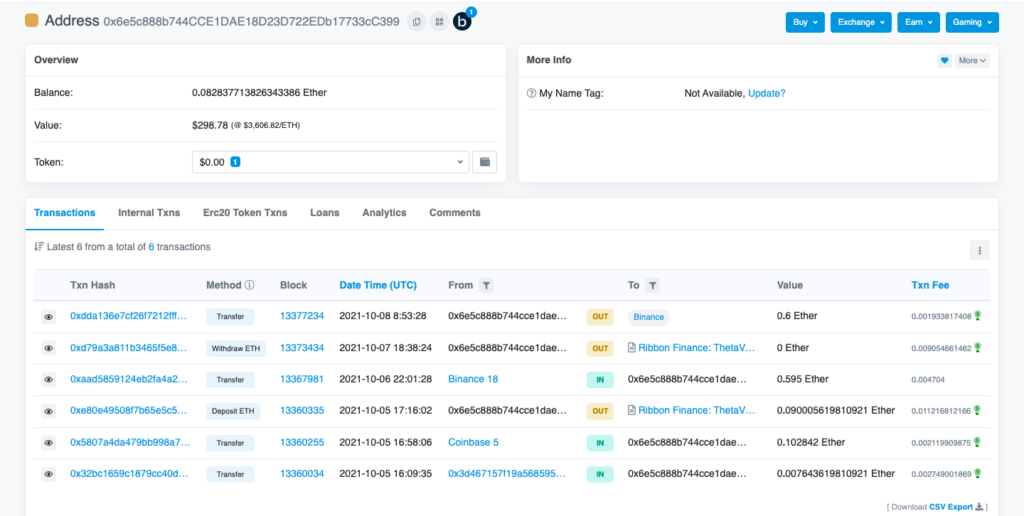
- Steps: Find wallet addresses shared by influencers on social media or blogs, then use the explorer’s search to examine transaction histories, token balances, and activity patterns.
- Key metrics: Consistent profits, diversified holdings indicating risk management, frequent interactions with reputable decentralized exchanges.
- Caution: Avoid wallets with pump-and-dump patterns or excessive trading of dubious tokens.
- Best for: Verification after you’ve already found a candidate wallet — not for initial discovery.
2. Social Media Platforms
Crypto influencers often disclose wallet addresses on social media. The catch: addresses shared publicly are often “performance” wallets, not the trading accounts where real positions sit.
- Platforms: Twitter/X (most common), Telegram and Discord channels, YouTube tutorial walkthroughs.
- Verification: Cross-reference with blockchain explorers. Monitor the influencer’s community for others tracking the same wallet.
- Avoid scams: Impersonators frequently post fake addresses that look legitimate.
- Reality check: Publicly disclosed wallets are widely followed and front-run. Starting points for research, not the actual alpha source.
3. Crypto Copy Trading Platforms
Specialized platforms like eToro, Binance Copy Trading, Bitget Copy Trading, and Bybit Copy Trading let you follow professional traders directly. On-chain bot equivalents include GMGN.ai for Solana memecoin copying.
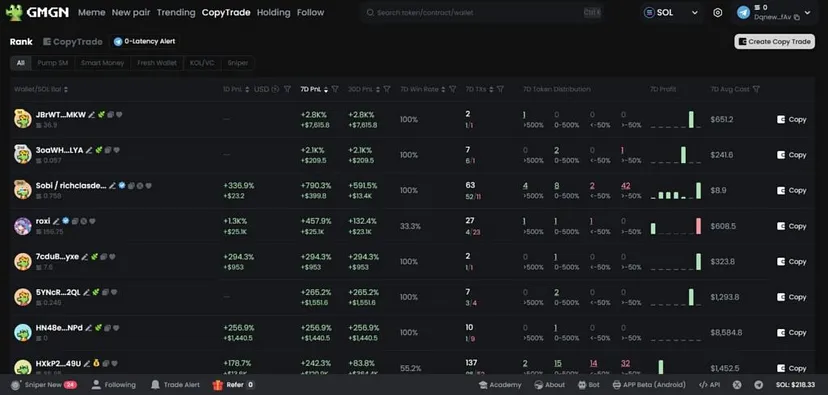
- Features: Transparent performance stats (win rate, drawdown, Sharpe-equivalent), automated trade copying, vetted trader profiles.
- Setup: Sign up, browse leaderboards by performance and risk, allocate funds to copy specific traders.
- Advantages: Pre-vetted track records, regulated, no on-chain signing required.
- Trade-offs: Centralized (funds held by exchange), fees per copied trade, geographic restrictions.
4. DeFi Analytics Tools
DeFi analytics platforms provide insights into wallet activity, token movements, and on-chain trends — the closest thing to “smart money” labeling available.
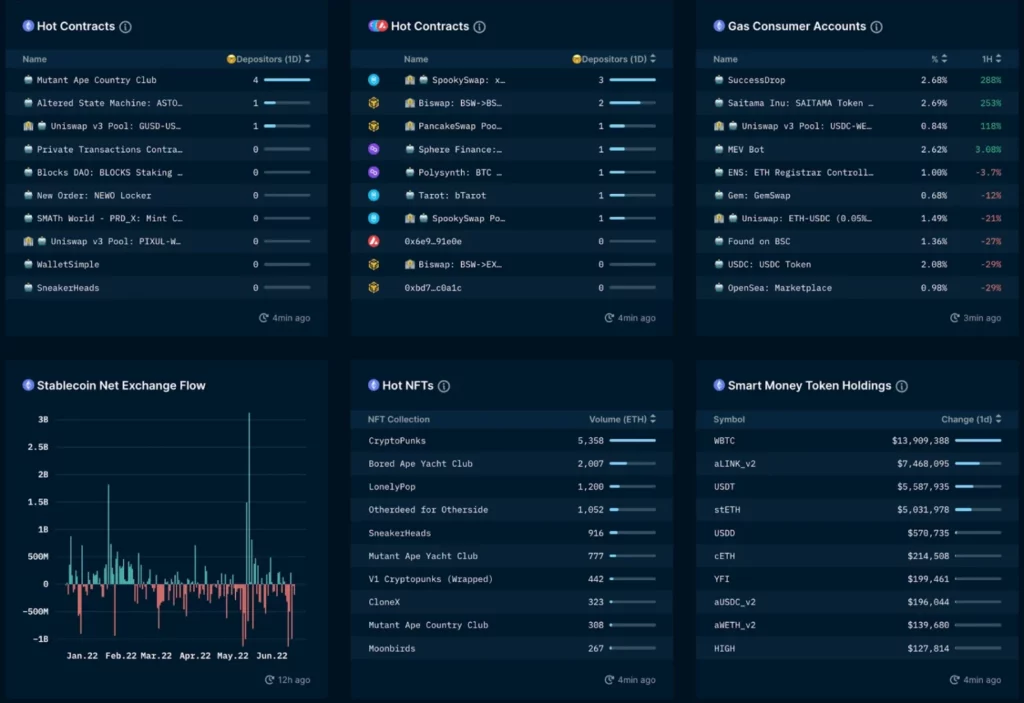
- Nansen: 500M+ labeled addresses across 30+ chains. Free tier shows wallet labels and smart money flows. Paid Pro now half its 2024 price.
- Glassnode: Wallet behavior and market trend analysis with on-chain cohort data.
- Dune Analytics: Community-built dashboards for almost every major token, bot, and chain. Free read access. Search “top wallets [token]” for instant leaderboards.
- Advanced use: Follow wallets in yield farming or liquidity pools; monitor emerging protocols.
5. NFT and Token Ownership Analysis
Many influencers are active in NFTs and visible token positions, making cross-referencing easier than pure trading-wallet detective work.

- Steps: Check OpenSea, Blur, or Magic Eden for NFTs owned by influencers. Use Zapper or DeBank to map token holdings to wallets.
- Verification: Look for wallets tied to high-value or rare NFTs. Ensure the wallet is actively trading, not just holding showcase assets.
- Best for: ETH-heavy influencers who mix DeFi and NFT activity — their NFT holdings often link back to their primary trading wallet.
6. Follow Publicly Verified Wallets
Influencers often verify and share wallet addresses publicly to gain trust — during AMAs, in pinned tweets, or in Medium articles.
- Where to find: AMAs on Reddit or Telegram, marketing campaigns on Medium or personal blogs, podcast show notes.
- Verification: Use blockchain explorers to ensure the wallet aligns with the influencer’s claimed activity. Monitor for ongoing patterns.
- Reality check: Publicly disclosed wallets are widely followed — treat as starting points, not the actual alpha.
7. Monitor Crypto Leaderboards
Crypto leaderboards on major exchanges showcase top-performing traders — a reliable resource for futures and perps traders particularly.
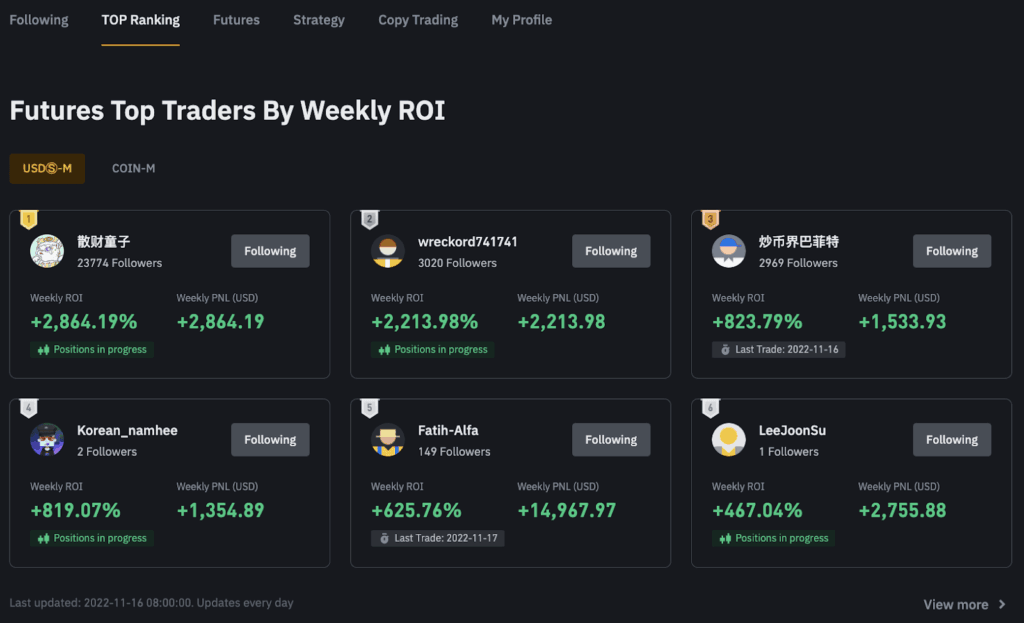
- Where to find: Bitget, Bybit, Binance all publish trader leaderboards with full track records.
- Analysis: Examine P&L statements, risk scores, trade frequency, maximum drawdown.
- Pro tip: Choose traders with consistent long-term performance (90+ days) instead of short-term spikes. Survivorship bias dominates 7- and 30-day leaderboards.
8. Arkham Intelligence — find the wallet behind the persona
Arkham Intelligence is built for entity attribution — connecting on-chain addresses to real-world identities. Its Visualizer maps fund flows between connected addresses as an interactive graph, often surfacing the actual trading wallet behind a publicly-disclosed showcase address.

- Identify the entity: Search known public identifiers (influencer names, Twitter handles, associated wallets). The Intel Exchange has crowdsourced attributions for many crypto personalities.
- Trace connections: Use Arkham’s investigative tools to follow fund flows from a known address. The “real” trading wallet is often two or three hops removed from the publicly-disclosed showcase address.
- Wallet labeling: Arkham labels wallets based on exchange deposits, NFT marketplace activity, and DeFi protocol interactions.
- Best for: Investigative research, finding the wallet that actually trades vs the one shown publicly.
9. Token Allocation Tracking
Influencers often receive tokens during ICOs, IDOs, and private sale rounds as promotional or advisory arrangements. These allocations are sometimes traceable on-chain.

- How to use: Check ICO trackers like Messari or ICODrops. Use blockchain explorers to trace token distribution from the smart contract to recipient wallets.
- Vesting cliffs: Watch for wallets that receive tokens with multi-month vesting periods — often advisory or team allocations, useful context but not evidence of trading skill.
10. AI-Powered Tools
AI-driven platforms analyze wallet behavior at scale to identify patterns that pure on-chain queries would miss.
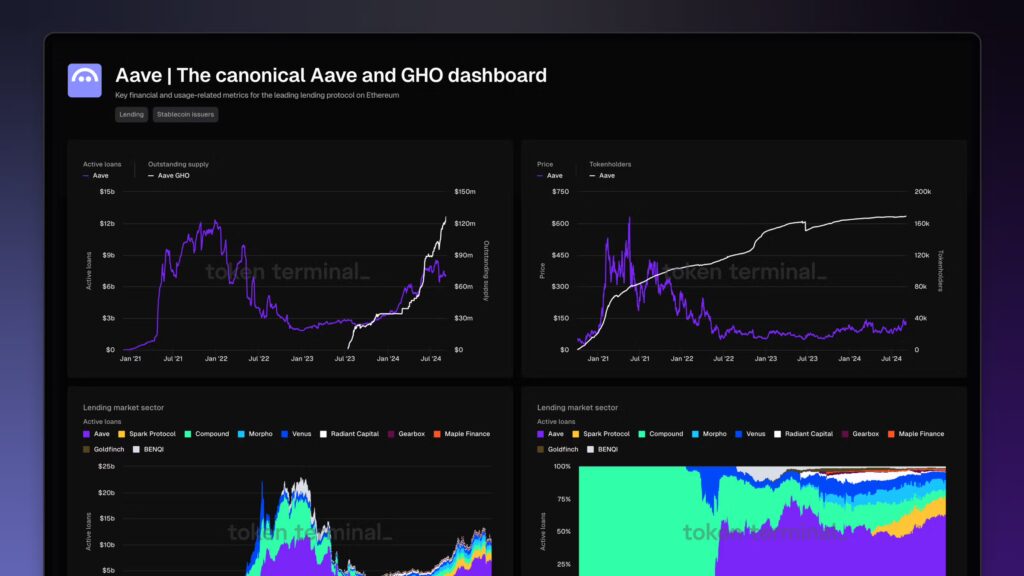
- Token Terminal: Tracks wallet activity linked to specific protocols, with revenue and user metrics for each ecosystem.
- Santiment: Uses on-chain and social sentiment data to highlight influential wallets and market regime shifts.
- Nansen Natural Language Query: Ask plain-English questions about wallets and get structured on-chain answers (added 2025).
- Benefits: Real-time updates, insights into trading strategies, pattern detection across thousands of wallets you’d never inspect manually.
For a deeper dive on free tools specifically, see our 10 Free Tools to Find Profitable Crypto Wallets guide.
Community-Sourced Information (bonus method)
Crypto communities themselves are valuable sources of curated influencer wallet lists — with appropriate vetting.
- Communities: Coinmonks on Medium for in-depth analysis; Reddit r/CryptoCurrency and r/ethtrader; specialized Telegram and Discord groups for specific chains or strategies.
- Caution: Verify any wallet address shared in these communities. Avoid unsolicited recommendations and DMs.
⚠️ Warnings the Top-Wallet Listicles Skip
The wallets you can find publicly are not the wallets you want to copy. Influencer wallets disclosed on Twitter, Medium, or in AMAs are widely followed — often by tens of thousands of accounts. Front-running is rampant, dump-on-followers is common, and many disclosed wallets are deliberately curated “performance” addresses while the actual trading happens on unlabeled accounts. The wallets worth copying are usually the ones nobody has found yet — buried in Dune dashboards, surfaced by Arkham fund-flow analysis, or identified via token allocation tracking.
- Survivorship bias is everywhere. Any “top wallets last 7 days” leaderboard surfaces lottery winners alongside skill-based traders. 60-day filter is non-negotiable.
- Insider wallets aren’t strategies. Some “profitable wallets” have information advantages you can’t replicate. Copying replicates timing, not strategy.
- Fee leakage is real. Copy-trading bots take 1–2% per trade. On a 30-trade-per-day wallet, your net is dramatically lower than gross PnL implies.
- Wallet rotation. Sophisticated traders rotate wallets every 30–90 days. Plan for re-discovery, not set-and-forget.
Frequently Asked Questions
How do I find a crypto influencer’s actual trading wallet?
The wallet they share publicly on Twitter or Medium is usually a showcase wallet, not their main trading account. The workflow: start with the publicly disclosed address, then use Arkham Intelligence’s Visualizer to trace fund flows out of it — the actual trading wallet is often two or three hops removed. Cross-check with Nansen’s entity labels and confirm activity patterns on the relevant chain explorer.
What’s the most reliable method on this list?
For ETH and EVM chains: Arkham Intelligence’s Visualizer for finding the wallet behind the persona, combined with Nansen’s free-tier wallet labels for context. For Solana: GMGN.ai’s Smart Money leaderboard verified via Solscan. For beginners who don’t want on-chain detective work: exchange-native copy trading (Binance, Bitget, eToro) is the most regulated and most beginner-friendly path.
Can I copy trade for free?
Yes. The free tiers of Arkham, Nansen, Dune Analytics, GMGN.ai, BullX, the chain explorers, DeBank, and Zapper cover roughly 80% of what paid tools handle. Execution is also free if you do it manually. Paid copy bots and exchange copy services add convenience but take 1–2% per trade in fees.
How do I avoid copying a fake or scam influencer wallet?
Cross-reference the wallet address with multiple sources. Confirm on Etherscan/Solscan and look for at least 90 days of organic activity. Avoid wallets shared in unsolicited Telegram DMs or “private alpha” Discord channels asking for payment. Impersonators often post near-identical addresses on the influencer’s social posts — always copy-paste from the verified profile, never from comments.
How often should I re-vet a copied wallet?
Monthly at minimum. Roughly 30–40% of “top wallets” leaderboards rotate every 60–90 days. Some wallets become inactive, some become unprofitable, and some keep performing but get followed too widely and lose alpha. Set a calendar reminder, re-run the four-criteria filter on each wallet in your copy list, and drop any that no longer meet the bar.
Bottom Line
⚡ Bottom Line: Finding influencer wallets is a research workflow, not a single-method problem. The realistic stack for 2026: Arkham Intelligence for entity attribution (find the real wallet behind the persona), Nansen and Dune Analytics for smart-money labeling, GMGN.ai for Solana memecoin context, chain explorers (Etherscan/Solscan/BaseScan) for verification, and exchange copy-trading (Binance/Bitget/eToro) for set-and-forget execution. Apply the four-criteria filter (60+ day ROI > 100%, win rate > 60% across 30+ trades, healthy frequency, consistent activity) before allocating capital. Diversify across 3-5 vetted wallets, never go above 5% of stack on any single copy. Re-vet monthly. The wallets that pay the most are usually the ones nobody else has found yet — not the ones at the top of Twitter screenshots.
Reviewed by Gaurav Agarwal, founder of CoinCodeCap. I personally tested every method on this list during 2025 and 2026 — discovering wallets via Arkham, Nansen, GMGN, and Dune, then verifying via the relevant chain explorer, then in some cases copy-trading at small size to test signal quality. Status reflects direct verification through May 2026.
Related Reading
📋 Wallet Tracking & Copy Trading
- 10 Free Tools to Find Profitable Crypto Wallets — sister guide with detailed tool walkthroughs
- 10 Best Ways to Find Profitable Solana Wallets to Copy Trade
- Best Crypto Copy Trading Platforms
- 10 Best Crypto Analytics Platforms
📋 Wallet Roundups
- Best Crypto Wallets — 21-wallet master list
- Best Solana Wallets for Meme Coins
- Best Ethereum Wallets
📋 Memecoin Trading Platforms