



Sharding: The brain of Ethereum 2.0
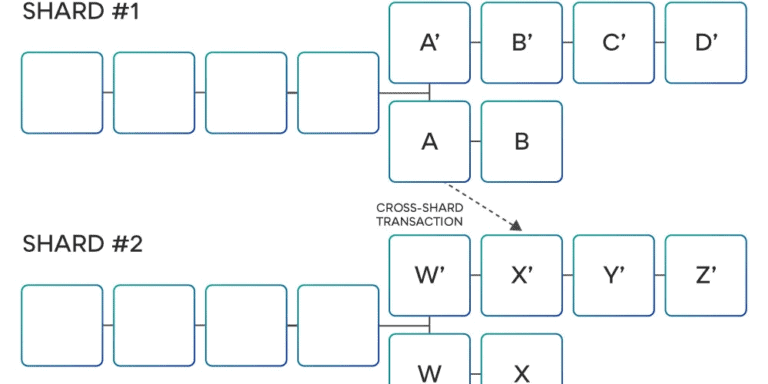
In sharding, the history and the state of the whole Ethereum blockchain are divided into individual partitions called shards. Each shard will have its state and a history of transactions.
In sharding, the history and the state of the whole Ethereum blockchain are divided into individual partitions called shards. Each shard will have its state and a history of transactions.

Beacon Chain is the heart of Ethereum 2.0. It is the base upon which the rest components like Shard, eWasm, and cross-link will be built.
It (PoS based chain) will run parallelly with the Mainnet (PoW based chain). Beacon chain is mainly made for the validators.

Dissecting current standards and proposing possible solutions for fully dynamic access control management in smart contracts Access control is a fundamental element to the security of software infrastructure. Enterprise applications need strict rules on who can do what, depending on…

A deep dive into Reddit's potential Community Point token and crypto wallet that are using Ethereum.
Recap In part one I outlined the idea for a Tennis Manager simulation game on the Ethereum Blockchain. I created the ERC721 Token and the TrainableTennisPlayer contract which enables owners to increase their player stats by training or resting. Part…
ENS stands for Ethereum Name Service, which is a decentralized naming service built atop Ethereum.

Disclosure: CoinCodeCap may earn a commission if you sign up through links on this page. Risk warning: Self-custody wallets put YOU in control. Lose your seed phrase and your ETH is gone permanently — no recovery, no support hotline. Smart…

“Provable”, formerly known as “Oraclize”, is a service known as an ‘oracle’, built specifically to address this problem. An oracle acts as a relay by aggregating data from external sources such as random number generators, price tickers & computational engines. Once the data is collected, the oracle feeds it into a smart contract.

What is a SOULBOUND NFT? What are NFTs? 10 PROJECTS ON SOULBOUND NFTs LENS PROTOCOL DeQUEST DIGITAL CV THE SANDBOX NBA TOP SHOT SUPER RARE Ethernity Chain WhiteBit Pudgy Penguins Conclusion

Let’s say you’re executing a lot of Ethereum transactions, some manually and some scripted. When the dust settles, you need to make sure that everything went perfectly because a lot is riding on it. What’s the best way to satisfy yourself that it all went down as planned?